
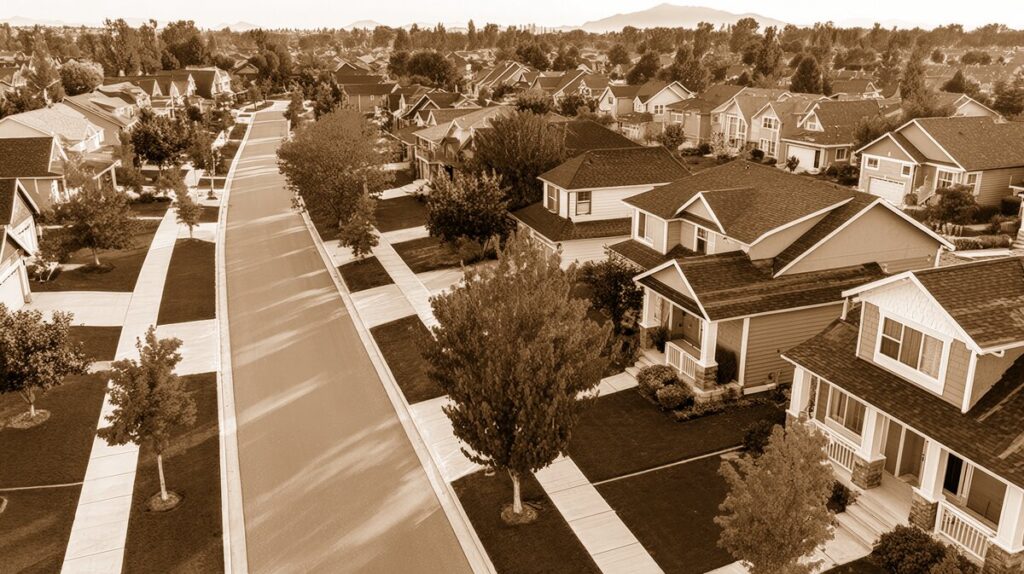
Richmond, Virginia is a tapestry of vibrant neighborhoods, each with its own unique character and legacy. Among them is Chamberlayne—a community whose history, landmarks, and enduring spirit offer a window into Richmond’s evolving story. Whether you're a lifetime resident or first-time visitor, Chamberlayne’s tree-lined avenues, historic structures, and sense of togetherness never fail to make an impression.
The Origins: Roots Beneath the Canopy
Chamberlayne’s story begins well before the first suburban houses dotted its streets. The neighborhood takes its name from Chamberlayne Avenue, part of the old U.S. Route 1 corridor, and references the broader Chamberlayne family, whose Virginia lineage stretches back centuries. The Chamberlayne name itself signals a history closely tied to the early colonial era, ushering in an era of estates and farmlands that would later transition to bustling city life.
Through the late 19th and early 20th centuries, as Richmond expanded northward, Chamberlayne developed from rural farmland into a new suburb designed for residents seeking both convenience and respite from downtown’s bustle. With its proximity to the city and sweeping open spaces, the neighborhood attracted families, entrepreneurs, and institutions looking to build something lasting.
Naming the Neighborhood: The Chamberlayne Connection
The Chamberlayne family—whose members rose to civic prominence—left their mark on everything from local politics to commerce. While there is debate over whether the neighborhood was named for the family or the thoroughfare itself, there’s no denying the influence of the Chamberlayne legacy on the area’s growth. Chamberlayne Avenue, also known as U.S. Route 1, has long served as the neighborhood’s spine, with homes, parks, and businesses radiating from it like spokes on a historic wheel.
Evolution Through the Decades
Chamberlayne’s transformation is a reflection of Richmond’s wider trends over the decades:
- Early 20th Century: The construction of Chamberlayne Avenue as a key route fostered neighborhood development, with stately homes and small businesses sprouting along its length.
- Post-World War II Boom: Like many American neighborhoods, Chamberlayne saw a surge in residential construction. Brick colonials and cape cottages became the foundation for families settling down and building community.
- Civil Rights Era: Chamberlayne, situated near historically Black neighborhoods such as Northside and Jackson Ward, played witness to Richmond’s shifting social and cultural dynamics. Schools and churches became important gathering places for advocacy, learning, and worship.
- Modern Day: Chamberlayne has grown increasingly diverse, with parks, schools, and small shops welcoming new generations. Neighbors continue the area’s tradition of resilience and togetherness.
Notable Landmarks and Streets
Chamberlayne’s legacy is made visible thanks to its blend of historic structures and inviting public spaces:
- Chamberlayne Avenue (U.S. Route 1): The backbone of the neighborhood, this major route once served as a main thoroughfare connecting Richmond north to Washington, D.C. Today, it is lined with remarkable early-to-mid 20th-century architecture.
- Battery Park: Just west of Chamberlayne, this beloved green space features walking trails, basketball courts, and lush lawns that have welcomed community picnics for generations.
- Overbrook Road and Brookland Park Boulevard: These avenues showcase rows of historic homes and mark the neighborhood’s original boundaries, offering a living history lesson for today’s residents.
- Union Presbyterian Seminary: Nestled just off Chamberlayne Avenue, this historic institution has educated generations of faith leaders since the late 1800s—its Gothic Revival buildings a testament to Richmond’s architectural heritage.
Community Life and Heritage
One of the defining traits of Chamberlayne is its enduring sense of community. Throughout much of the 20th century, neighbors gathered for block parties, parades, and church socials. Institutions like Henderson Middle School and nearby Overbrook Presbyterian Church have long served as pillars of education and worship. Generations have come to appreciate the neighborhood’s easy walkability, wide porches, and ample shade provided by majestic old oaks and maples.
Chamberlayne’s heritage is also seen in its commitment to inclusion and progress. The neighborhood has long been a crossroads—geographically and culturally—making it a welcoming place for newcomers and longtime residents alike.
Chamberlayne Today: Looking Forward
Today, Chamberlayne stands at the intersection of history and renewal. New small businesses have opened along Chamberlayne Avenue, and the community continues to embrace neighbors from all walks of life. Preservation efforts have ensured that the neighborhood’s historic homes and landmarks remain visible reminders of a shared past while the parks and playgrounds brim with the laughter of a new generation.
As Chamberlayne continues to evolve, its story is one of resilience, heritage, and hope. From the busy hum of Chamberlayne Avenue to the quiet corners of Battery Park, every street tells a tale—of families who built Richmond, of neighbors who shaped change, and of a community that cherishes both its roots and its possibilities.
Conclusion
For those who call Chamberlayne home—or simply pass through its storied streets—the neighborhood offers a reminder of Richmond’s rich tapestry. It is a place where history, heritage, and hospitality converge, inviting all who enter to become a part of its ongoing story. Chamberlayne is more than a neighborhood; it’s a living legacy—one that continues to grow, adapt, and welcome the generations yet to come.